A dry ceiling may make it seem like your roof came through a hailstorm without damage. However, the absence of a leak does not always mean the roofing system is unaffected. Hail can weaken shingles, flashing, vents, seals, and other components before water reaches the interior of your home.
Through our Lubbock roofing services, we help homeowners understand the condition of their roofs after severe weather. The purpose of an inspection is not to assume that every hailstorm caused damage. It is to determine whether the roof is still performing properly, needs a focused repair, or should be monitored more closely.
Quick Answer
Yes, you should consider a professional roof inspection after a significant hailstorm even if there is no visible leak. Hail can weaken roofing materials without immediately allowing water inside. An inspection can confirm whether the roof is undamaged, needs repair, or should be monitored.
Why Can Hail Damage Exist Without a Roof Leak?
A roof is made up of several layers and components that work together to keep water outside the home. Shingles or metal panels form the visible surface, but they are supported by underlayment, flashing, sealants, roof decking, vents, and other protective elements.
Hail may damage the outer roofing material without immediately creating an opening through the entire system. An asphalt shingle can lose granules, develop a small crack, or become weakened around an impact point while the underlayment beneath it continues to prevent water from entering.
The roof may still appear to perform normally during the first rainfall after the storm. Over time, continued exposure to West Texas heat, wind, rain, and temperature changes can place additional stress on the weakened area.
A damaged seal may loosen, a crack may spread, or an affected shingle may deteriorate faster than the surrounding material. By the time a ceiling stain appears, moisture may already have reached the roof decking, insulation, drywall, or another part of the home.
That is why waiting for an interior leak is not the best way to determine whether a roof was damaged.
How Can Hail Affect Asphalt Shingles?
Asphalt shingles have a protective surface made from mineral granules. These granules help shield the asphalt from sunlight, weather exposure, and normal wear.
A strong hail impact can loosen or remove some of those granules. The exposed area may not leak immediately, but it can become more vulnerable to ultraviolet exposure and continued weathering. This can cause the affected shingle to age faster than the rest of the roof.
Hail may also create bruising beneath the visible surface. In some cases, the impact weakens the reinforcing mat inside the shingle without producing an obvious hole. Small cracks may then become more noticeable as the roofing material expands, contracts, and moves during later weather events.
Possible signs include concentrated granule loss, dark impact areas, bruising, surface cracks, damaged edges, or displaced shingles. However, ordinary aging, foot traffic, previous repairs, and normal wear can sometimes create similar marks.
A proper inspection should evaluate the shape, location, and pattern of the damage rather than treating every surface imperfection as hail damage.
Can Metal Roofing Be Damaged Without Leaking?
Yes. Metal roofing can sustain hail damage without producing an immediate leak.
Some hail impacts create shallow dents while leaving the panel functional. Other impacts may affect seams, fasteners, protective coatings, flashing, penetrations, or sealants. Damage near these areas may be more important than cosmetic denting in the center of a panel because they help prevent water from entering the system.
A severe impact may also crack a protective coating, loosen a connection, or create a small puncture that is difficult to see from the ground.
A dent alone does not automatically mean a metal roof has failed or requires replacement. The complete roofing system must be examined to determine whether the condition is cosmetic, functional, or a combination of both.
What Warning Signs Make an Inspection More Important?
Not every hailstorm damages every roof. Whether an inspection is necessary depends on the size and force of the hail, the roofing material, the age and condition of the roof, and what happened around the property.
An inspection becomes more important when you notice:
- Dents in gutters, vents, siding, or outdoor equipment
- Missing, lifted, or displaced shingles
- Roofing materials or tree debris in the yard
- Unusual shingle granules near the downspouts
- Damage to vehicles, fences, windows, or outdoor structures
- An older roof or roofing materials already showing wear
- Previous leaks, repairs, or maintenance concerns
- Moisture, staining, or unusual odors inside the home
Damage to surrounding surfaces does not prove that the roof needs repair or replacement. However, it can show that the property experienced a strong impact and that the roofing system deserves closer attention.
The condition of nearby homes may also provide context, but every roof responds differently. Roof orientation, slope, material, age, and surrounding structures can all affect how much damage occurs.
How Soon Should You Schedule a Roof Inspection?
The roof should be inspected after the severe weather has passed and the property can be accessed safely. There is usually little benefit in waiting several weeks or delaying the inspection until a visible leak develops.
An early inspection creates a clearer record of the roof’s condition close to the date of the storm. It may also identify an affected area that needs temporary protection before another period of rain or high wind.
You should not climb onto the roof to inspect it yourself. Wet surfaces, steep slopes, loose roofing materials, and damage that cannot be seen from below can create a serious fall risk.
Walking across affected shingles may also create new marks or worsen an existing condition. A careful ground-level check can reveal obvious warning signs, but it cannot provide a complete evaluation of the roofing system.
What Happens During a Professional Roof Inspection?
A professional hail inspection should examine the entire roofing system rather than focusing on a single visible mark. The goal is to determine whether the roof remains functional and whether any areas need maintenance, repair, replacement, or continued monitoring.
Depending on the roof type and property, we may inspect:
- Asphalt shingles or metal roofing panels
- Ridge caps, hip caps, valleys, and roof edges
- Flashing around walls, chimneys, and penetrations
- Pipe boots, roof vents, skylights, and sealants
- Gutters, downspouts, and exterior metal components
- Accessible attic areas and interior signs of moisture
We also consider the age of the roof, installation quality, previous repairs, maintenance history, and normal weathering. This helps us distinguish recent storm-related damage from older conditions that may have existed before the hailstorm.
When damage is found, photographs should show both the affected material and its location on the roof. A close-up image without context may not explain whether the issue is isolated or repeated across several roof slopes.
Our residential roofing services include inspections, repairs, composition roofing, metal roofing, and full replacement when the roof’s condition supports that recommendation. We explain what we find without assuming that every hailstorm requires roofing work.
What If the Inspection Finds No Hail Damage?
A no-damage finding is still valuable. It provides a clearer understanding of the roof’s condition and can give you confidence that the system was evaluated after the storm.
The inspection may also identify routine maintenance concerns unrelated to hail. Aging sealant, loose flashing, worn pipe boots, accumulated debris, natural shingle deterioration, or an older repair may need attention even though the storm did not cause the problem.
These conditions should not automatically be presented as hail damage. We separate possible storm-related findings from ordinary aging, maintenance needs, and pre-existing roof conditions.
When your roof does not need work, we will tell you. The purpose of the inspection is to provide an honest assessment, not to create a repair or replacement project where one is unnecessary.
What If the Inspection Finds Minor Damage?
Minor or isolated damage does not always require a complete roof replacement. A focused repair may be enough when the affected area is limited and the surrounding roofing system remains in serviceable condition.
Depending on the roof, the repair may involve replacing damaged shingles, correcting flashing, resealing a penetration, replacing a damaged vent, or repairing another affected component.
We explain where the damage is located, why the repair is recommended, and which materials and labor are included. A clear estimate should also separate storm-related work from optional maintenance or unrelated improvements.
Material matching may need to be considered when shingles are replaced. Roof age, fading, product availability, and discontinued colors can affect how closely a repaired section matches the existing roof.
The expected appearance and scope should be discussed before work begins rather than discovered after installation.

What If the Inspection Finds Widespread Damage?
When damage affects multiple roof slopes or several important components, replacement may be more practical than completing numerous separate repairs.
A replacement recommendation should be supported by documented findings. The fact that hail occurred in the neighborhood is not enough by itself to prove that an entire roof needs to be replaced.
If replacement is recommended, we explain the roofing material, underlayment, flashing, ventilation, tear-off process, roof-deck inspection, cleanup plan, project schedule, and available warranty coverage.
Any conditions that cannot be confirmed until the existing roofing material is removed should also be explained before the project begins.
Our own crew completes our residential roofing work rather than handing the installation to an unfamiliar outside team. This helps us maintain consistent workmanship and accountability throughout the project.
Should You Contact Insurance Before the Inspection?
The right order depends on the condition of the property.
If water is actively entering the home or there is severe visible damage, contact your insurance company promptly and arrange safe temporary protection.
When there is no leak and the roof’s condition is uncertain, an inspection can help document what is physically present before you decide whether to file a claim. We can inspect the roof, take photographs, explain the construction needs, and prepare an estimate when work is required.
Your insurance company determines whether damage is covered and how much the policy will pay. Coverage may depend on the deductible, roof age, policy type, exclusions, and the insurer’s evaluation.
We can explain the condition of the roof and the cost of proposed work, but we do not promise that a claim will be approved or guarantee a particular insurance payment.
Why Is Waiting for a Leak Risky?
Waiting for a leak is not the best way to determine whether the roof was damaged.
A visible ceiling stain means water has already moved beyond the exterior roofing material and entered part of the building system. Depending on the location and duration of the leak, moisture may affect roof decking, insulation, drywall, paint, or electrical components before it becomes noticeable.
A roof inspection cannot guarantee that a roof will never leak in the future. However, it can identify visible storm-related conditions and maintenance concerns before they become more difficult or expensive to address.
The purpose is to make a decision based on the roof’s current condition rather than using interior water damage as the first indication that something is wrong.
Frequently Asked Questions
Can hail damage a roof without causing a leak?
Yes. Hail can damage shingles, flashing, vents, seals, and other roofing components without immediately creating an opening for water. A weakened area may begin leaking later as it is exposed to rain, wind, heat, and changing temperatures.
Does every hailstorm require a roof inspection?
Not every small hail event damages every roof. An inspection is most useful after significant hail, visible property damage, debris impact, unusual granule loss, or a storm affecting an older roof. It is also appropriate whenever you are uncertain about the roof’s condition.
How long can hail damage take to cause a leak?
There is no standard timeline. Severe damage may allow water inside during the next rainfall, while smaller cracks or weakened areas may take longer to deteriorate. Roof age, weather exposure, material type, and the location of the damage can all affect when a leak develops.
Can I identify hail damage from the ground?
You may be able to see missing shingles, dented gutters, damaged vents, debris, or other warning signs from the ground. However, many forms of shingle, flashing, and seal damage require a closer inspection. Homeowners should not climb onto a wet or damaged roof.
How much does a hail damage inspection cost?
We provide free storm-damage inspections for homeowners in Lubbock and surrounding West Texas communities. The purpose is to evaluate and document the roof’s condition, not to assume that repair or replacement is automatically required.
Find Out Whether Your Roof Was Damaged
A dry ceiling is reassuring, but it does not provide a complete picture of what happened on the roof. Hail may affect the exterior roofing material or other important components without immediately allowing water into the home.
We can inspect the complete roofing system, document its condition, and explain whether no work, routine maintenance, a focused repair, or replacement should be considered. Our recommendations are based on what we find on your roof, not what happened to another home in the neighborhood.
Call us at (806) 866-0065 or request a free roof inspection to have your Lubbock roof evaluated after a hailstorm.
continue reading
Related Posts
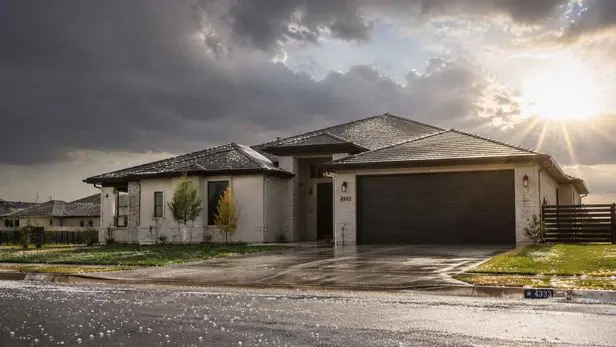
Hailstorms are nothing unusual in Lubbock and across West Texas,